
Tanzania Destinations
Tanzania is home to some of Africa’s best-known wildlife areas, from the open plains of the Serengeti to the Ngorongoro Crater, the baobab-dotted landscapes of Tarangire and the remote wilderness of its western and southern parks.
Explore these 13 destinations to learn what makes each place distinctive, which experiences you can enjoy, and what kind of traveller may appreciate it most. Adhama Africa Adventures can help you choose destinations and plan a safari around your interests, travel dates and preferred pace.
Where to go in Tanzania
The country’s national parks offer different landscapes, wildlife and travel experiences. Some destinations work well on a Northern Circuit itinerary, while others reward travellers who have more time to explore the south or west.
Serengeti, Ngorongoro, Tarangire, Lake Manyara and Arusha
Ruaha, Nyerere and Mikumi for expansive wilderness and varied safari routes
Katavi and Mahale for journeys into less-visited areas
Tanzania’s National Parks and Wildlife Destinations
Read about each destination below. Every entry includes an overview of its landscape and experiences, who it may suit, and a way to enquire about planning a visit with Adhama Africa Adventures.

Arusha National Park
Located a short drive from Arusha, Arusha National Park offers a varied introduction to Tanzania’s natural landscapes. Forest, open grassland, crater scenery and the Momella Lakes create opportunities for guided walking safaris, birdwatching and canoeing where available. Mount Meru rises above the park, and on clear days Mount Kilimanjaro may also be visible. Wildlife sightings can include giraffes, buffalo, zebras, warthogs and a wide range of birdlife.
Katavi National Park
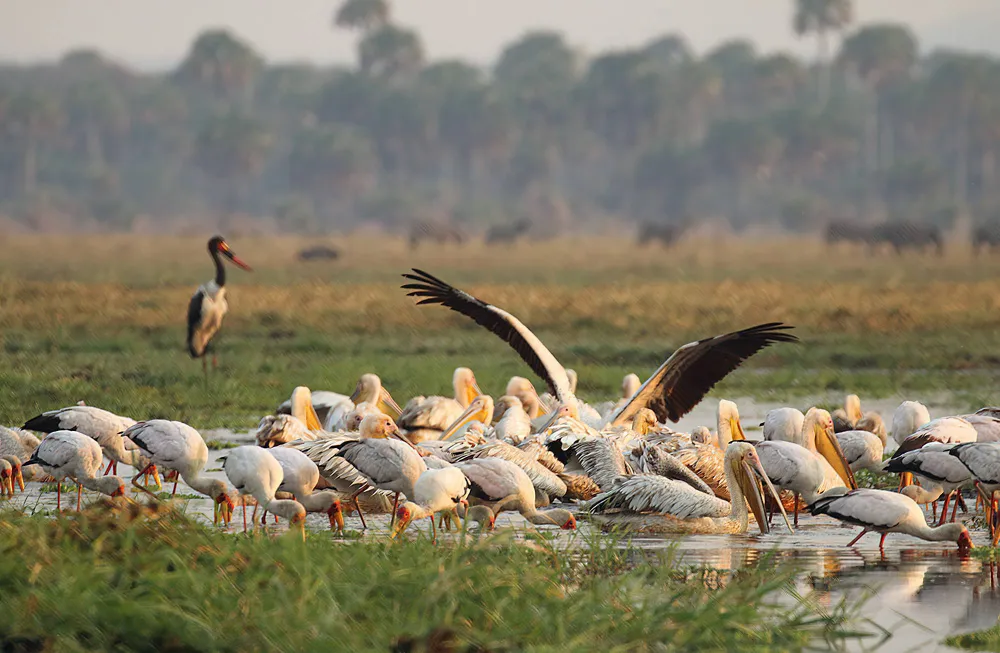
Katavi is a remote western Tanzania park known for broad floodplains, seasonal lakes, miombo woodland and a feeling of space. In the dry season, wildlife may gather around remaining water sources, creating rewarding opportunities to observe large groups of animals. The park’s distance from Tanzania’s main safari routes means it is best considered as part of a longer, carefully planned journey rather than a quick stop.

Lake Manyara National Park
Set beneath the Great Rift Valley escarpment, Lake Manyara National Park combines groundwater forest, open woodland, grassy floodplains and a shallow alkaline lake. The park is known for its birdlife, including flamingos when conditions are suitable, as well as elephants, giraffes, baboons and other wildlife. Its varied habitats make it a useful addition to a Northern Circuit safari, particularly for travellers who enjoy landscapes and birdwatching alongside game drives.
Lake Natron & Ol Doinyo Lengai
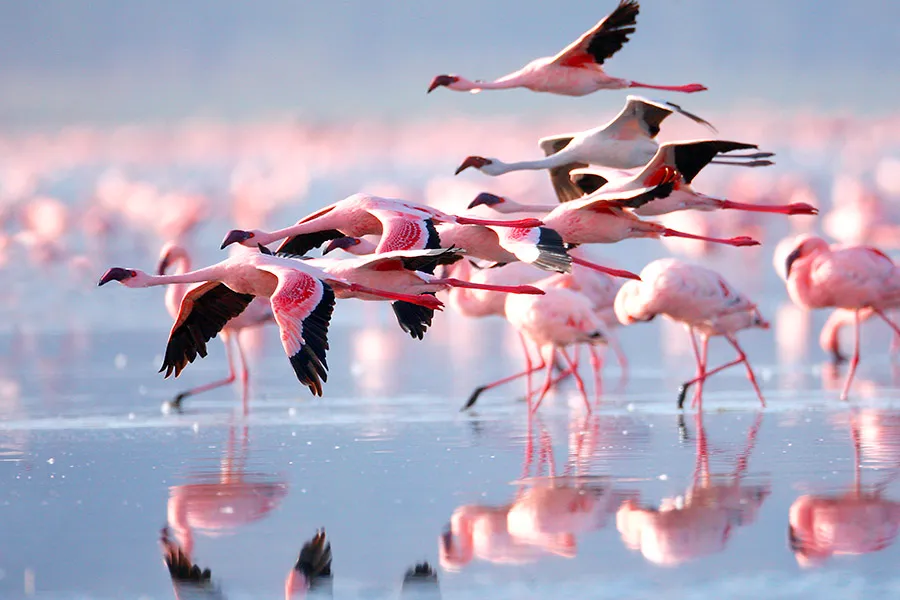
Lake Natron lies in a striking, arid section of the Great Rift Valley, with mineral-rich waters, volcanic terrain and wide views beneath the active volcano Ol Doinyo Lengai. The lake is an important breeding area for lesser flamingos, although their presence varies with conditions. Guided walks can explore the surrounding landscape and nearby waterfalls. Visits require planning for heat, remote roads and local guiding, while climbing Ol Doinyo Lengai is a demanding activity that needs suitable preparation.
Mahale Mountains National Park
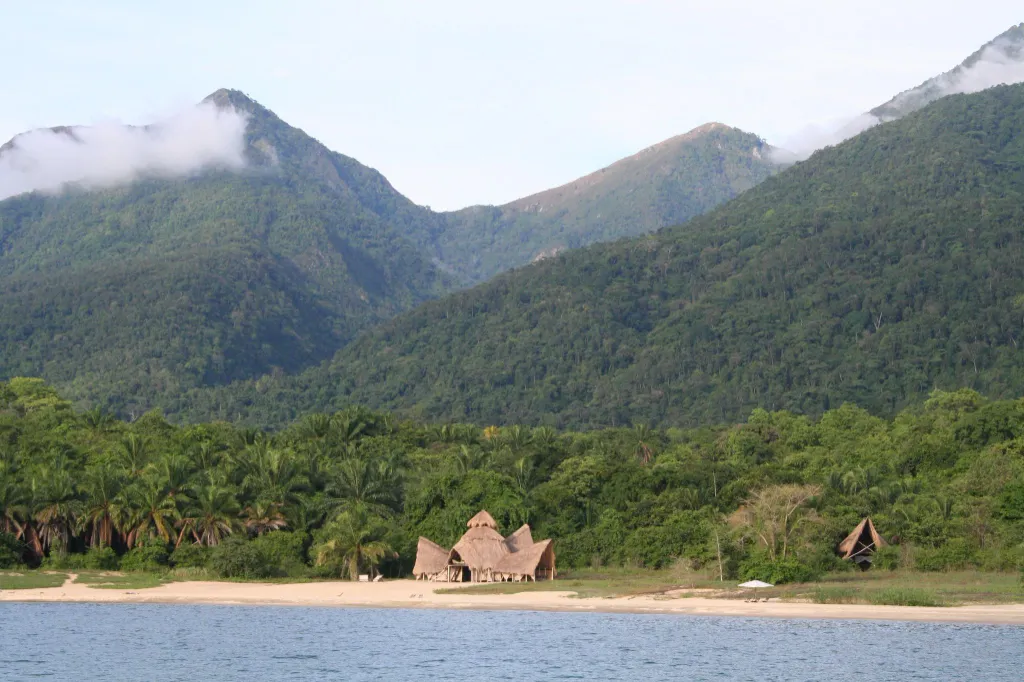
On the eastern shore of Lake Tanganyika, Mahale Mountains National Park brings together forested mountains, clear lake water and a remote setting accessible mainly by boat or charter arrangements. It is especially known for guided chimpanzee trekking, with sightings dependent on the animals’ movements and park conditions. Visitors can also enjoy forest walks, lake views and time by the shore. Because access is more involved than at many mainland parks, Mahale is best planned well in advance.
Mikumi National Park
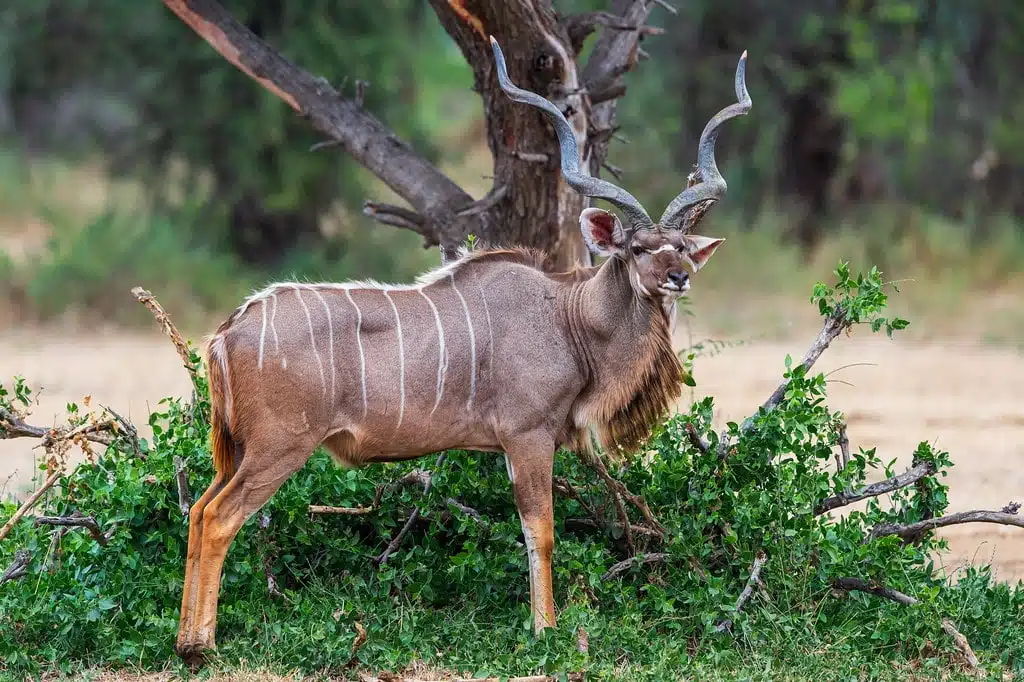
Mikumi’s open Mkata floodplain is often compared with the classic savannah scenery of larger East African parks. Wildlife commonly sought here includes elephants, giraffes, zebras, buffalo, wildebeest and lions, although sightings always depend on season and conditions. Its position near the main route between Dar es Salaam and the southern highlands makes Mikumi a practical option for travellers who want a safari without travelling as far as the more remote southern parks.
Mkomazi National Park
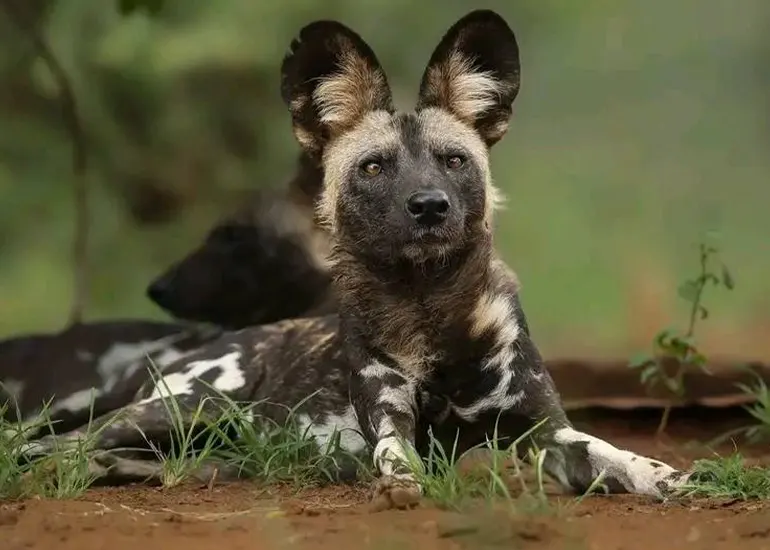
Mkomazi is a drier, less-visited park in northeastern Tanzania, with open plains, acacia woodland and views towards the Pare and Usambara mountain ranges. The park is associated with conservation work for endangered black rhinos and African wild dogs, though sightings of these species are not guaranteed. Mkomazi can be a rewarding choice for travellers exploring the region around Moshi, the Usambara Mountains or the Kenya–Tanzania border.
Mount Kilimanjaro National Park
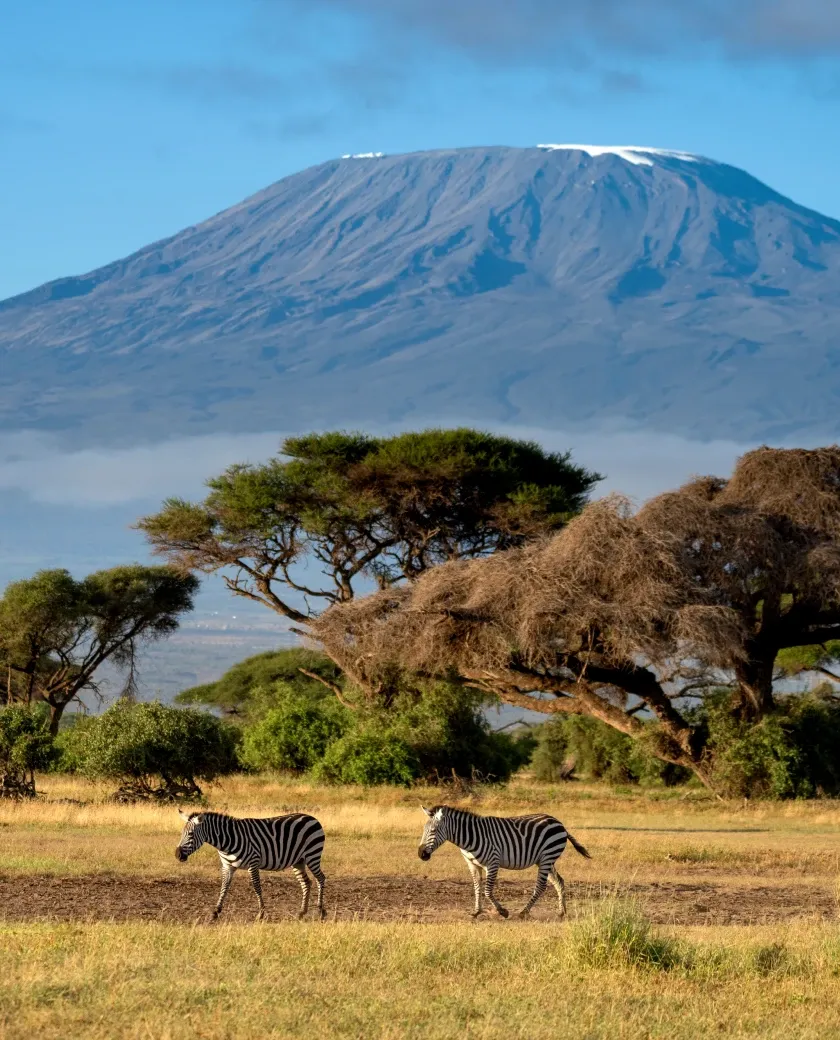
Mount Kilimanjaro is Africa’s highest mountain and one of Tanzania’s defining landmarks. Trekking routes pass through changing vegetation zones, from cultivated foothills and montane forest to moorland, alpine desert and the high summit area. A climb requires several days, a licensed guiding team, appropriate equipment and time to acclimatise. Travellers who do not plan to summit can still enjoy mountain views and shorter excursions around the foothills.
Ngorongoro Crater
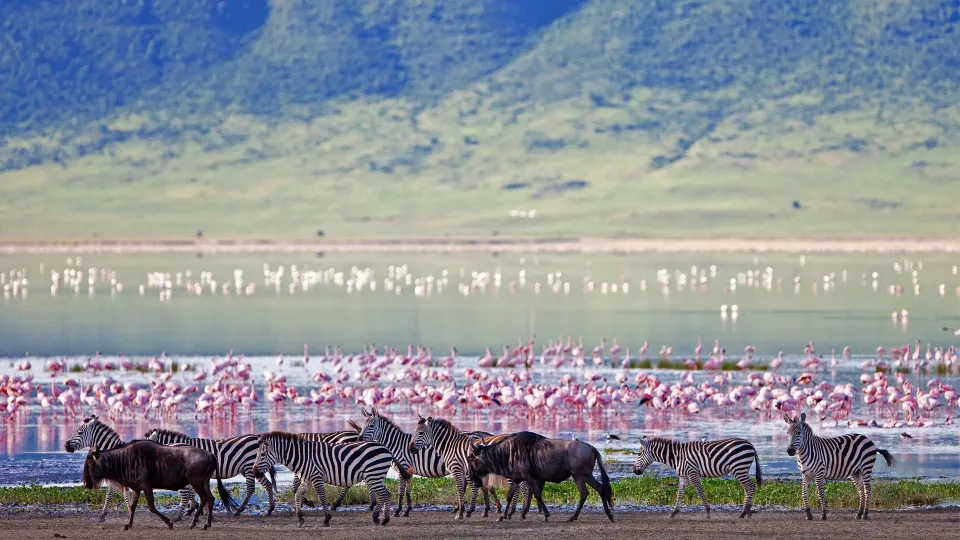
Ngorongoro Crater is a vast volcanic caldera within the Ngorongoro Conservation Area. Its grasslands, wetlands, woodland and soda lake support a high concentration of wildlife, making it one of Tanzania’s best-known places for a game drive. Visitors may see zebra, wildebeest, buffalo, elephants, lions and, with luck, the endangered black rhino. The crater is often combined with Serengeti and other Northern Circuit destinations, though vehicle access and daily visitor rules should be checked when planning.
Ruaha National Park
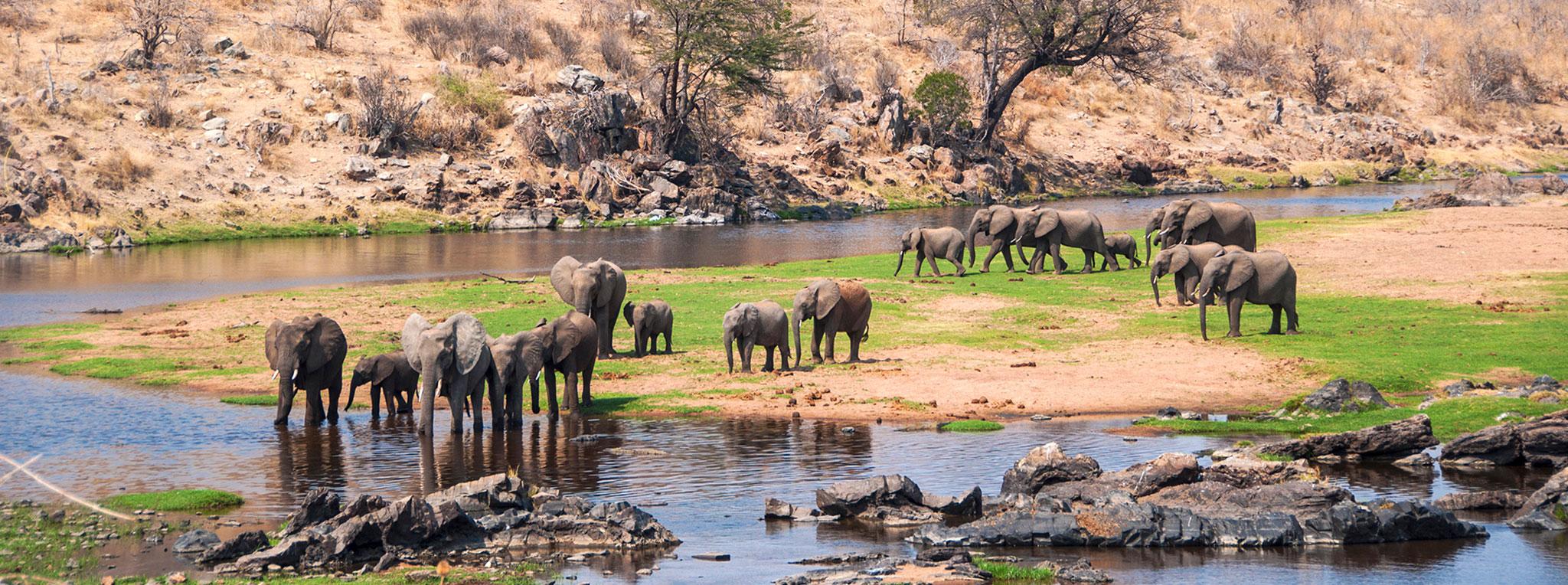
Ruaha is a large wilderness area shaped by the Great Ruaha River, rocky hills, baobabs and open savannah. The park supports substantial elephant populations and a wide variety of predators and plains wildlife. Game viewing often centres on river systems and seasonal water sources, while the park’s scale can offer a more secluded feel than some of Tanzania’s busiest safari areas. Travel times are longer, so Ruaha is best suited to an itinerary that allows enough time on the ground.
Selous & Nyerere National Park
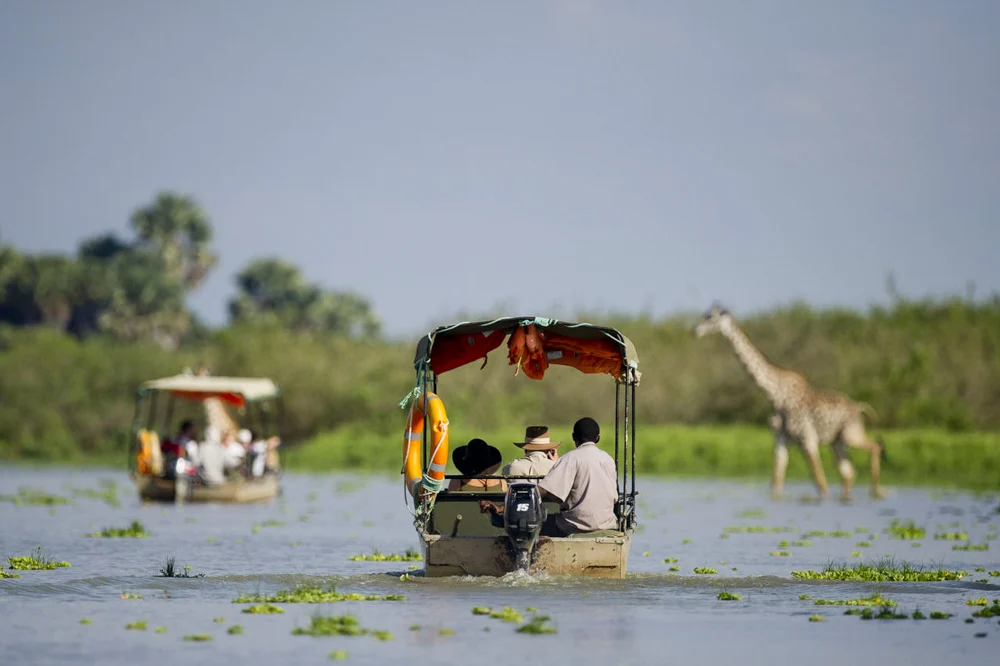
Nyerere National Park, historically associated with the Selous Game Reserve, protects a huge area of southern Tanzania’s wilderness. The Rufiji River and its lakes and channels shape the landscape, allowing a mix of game drives, boat safaris and guided walking experiences where offered. Wildlife can include elephants, giraffes, hippos, crocodiles, wild dogs and numerous bird species. Distances are considerable, so a well-planned stay helps visitors enjoy the area without rushing between activities.

Serengeti National Park
The Serengeti is famous for its broad grasslands, rocky kopjes and exceptional wildlife viewing. It is a central stage of the Great Wildebeest Migration, when huge herds move through different parts of the ecosystem in response to rainfall and fresh grazing. Resident wildlife includes lions, cheetahs, leopards, elephants, giraffes and many other species. Because migration locations change through the year, choosing the right region for your travel dates is an important part of planning a Serengeti safari.
Tarangire National Park
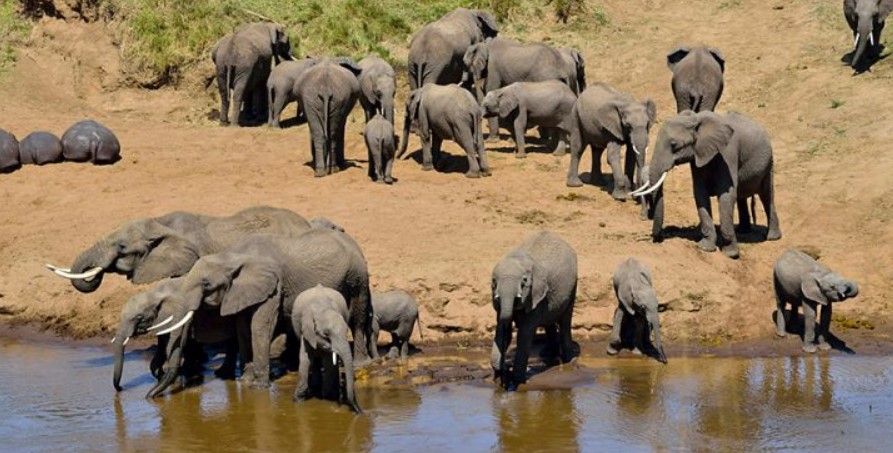
Tarangire is known for its ancient baobab trees, rolling savannah and the Tarangire River, which becomes an important source of water during the dry season. Elephants are a major attraction, and visitors may also encounter giraffes, zebras, wildebeest, antelope and predators. Birdlife is diverse, and the changing scenery gives the park a distinct character. Tarangire pairs naturally with Lake Manyara, Ngorongoro and Serengeti on a Northern Circuit itinerary.
Plan a safari around the places you want to experience
Tell Adhama Africa Adventures which destinations interest you, when you plan to travel and what you would most like to see. We can help you put together a practical itinerary with the right balance of travel time, wildlife experiences and time to enjoy each place.
PLAN YOUR TRIP