
Tanzania Community Based Tourism
Tourism that connects people
Let your Tanzania safari create value beyond the journey
At Adhama Africa Adventures, we believe a meaningful journey should create opportunities for visitors to connect respectfully with the people and places that make Tanzania special.
Community-based tourism brings travellers and local people together through cultural experiences, local guiding, crafts, food, heritage, education initiatives and conservation. When experiences are planned with community consent and fair compensation, tourism can create income, strengthen local enterprise and help communities share their stories on their own terms.
Our goal is to help guests experience Tanzania with curiosity and respect while encouraging tourism choices that support locally identified priorities. Every community is different, so support should be shaped with local partners—not imposed on them.
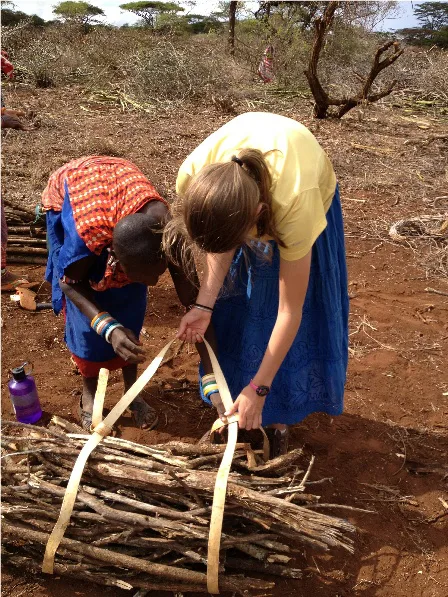
Meet people · Support local priorities
Three ways to connect with and support communities in Tanzania
Explore community experiences that can be included in a tailor-made safari. The exact activities, community hosts and contribution arrangements should be confirmed for your travel dates before booking.

1. Maasai community experiences in Monduli
Learn about Maasai heritage through a respectful, locally hosted visit. Depending on community consent and availability, experiences may include conversations with local hosts, traditional knowledge, beadwork, pastoral culture and everyday life.
How your visit can help:
- Pay agreed hosting or guiding fees through the confirmed local arrangement.
- Purchase authentic crafts from makers at prices agreed with them.
- Support community-led cultural activities without treating people or traditions as a performance.
Visits must be arranged with local hosts. Activities and any community contribution are confirmed before travel.

2. Community education initiatives in Karatu
Education can open doors for children and strengthen a community's long-term opportunities. Where a school or education partner has requested support, travellers may be able to learn about local priorities and contribute through an agreed, transparent initiative.
How your visit can help:
- Support school-identified learning materials or practical education needs through an approved arrangement.
- Help direct tourism-related contributions towards agreed education priorities.
- Learn how local organisations and families identify needs and measure progress.
Any school visit, donation or project contribution must be agreed in advance. Donations are not implied by booking a safari.
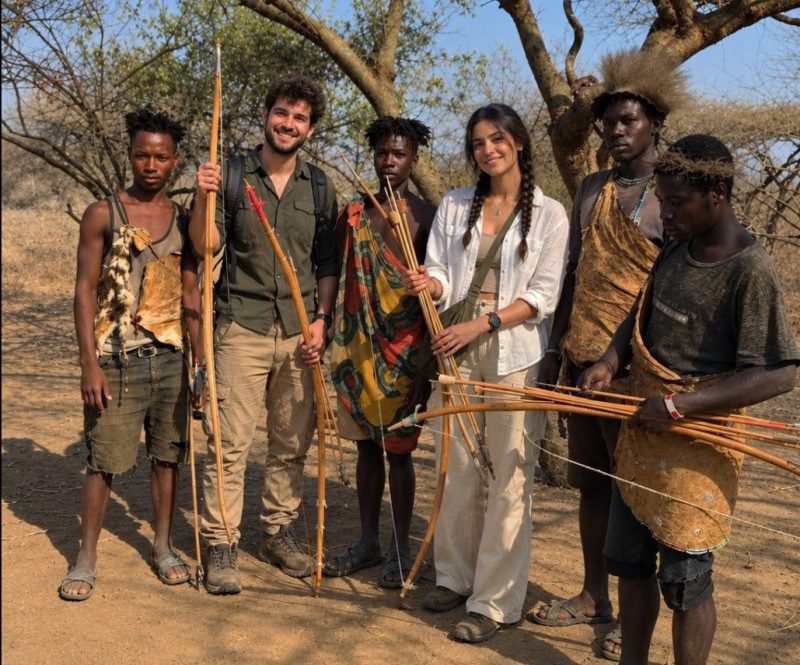
3. Hadzabe cultural experiences near Lake Eyasi
With the consent of local hosts and through responsible arrangements, visitors can learn about Hadzabe knowledge, history and relationships with the surrounding environment. Experiences should be community-led and respectful of privacy, traditions and the right to decline a visit.
How your visit can help:
- Use locally agreed guiding and hosting arrangements.
- Respect photography rules, personal boundaries and community protocols.
- Support locally offered services and avoid extractive or staged experiences.
Availability depends on local consent and arrangements. No community should be treated as a tourist attraction without its agreement.

From safari to shared opportunity
How can a safari support a community?
A safari can create benefits beyond park visits when travellers and operators make thoughtful choices. The strongest outcomes come from fair local participation, transparent agreements and community-defined priorities.
- Local employment: choose qualified local guides, drivers, hosts, artisans and service providers.
- Local enterprise: purchase crafts, food, transport and services directly or through transparent local arrangements.
- Community experiences: pay agreed fees for hosting, guiding and cultural activities.
- Education and skills: support projects identified by schools and community partners, where a clear arrangement exists.
- Conservation: follow park rules, respect wildlife, reduce waste and support credible conservation initiatives.
- Long-term relationships: listen to community priorities and report contributions honestly.
Benefits depend on suppliers and arrangements in place. Adhama should explain the specific contribution linked to each experience rather than promise that every booking funds every project.
The Sustainable Development Goals
Leave no one behind: make tourism more inclusive
The United Nations principle of “Leave No One Behind” calls for development that reaches people who are often excluded from opportunity. Community-based tourism can contribute when local people help shape experiences, participate fairly in the benefits and have a voice in decisions that affect them.
No Poverty
Fair payments for local guiding, hosting, crafts and services can diversify household income and strengthen small enterprises.
Quality Education
Where local education partners identify a need, transparent contributions can help support learning resources and opportunities.
Gender Equality
Inclusive tourism can create opportunities for women-led businesses, artisans and community decision-makers.
Decent Work & Economic Growth
Responsible purchasing and fair working arrangements can help local people participate in tourism's economic value.
Reduced Inequalities
Community-led experiences can broaden participation in tourism beyond businesses and destinations that already receive most visitors.
Responsible Consumption & Life on Land
Thoughtful visitor choices, reduced waste, respect for wildlife and credible conservation partnerships help protect the places people come to experience.
These are potential areas of contribution, not a claim that every Adhama itinerary has already achieved specific SDG outcomes. Impact should be reported using evidence and clear definitions.
Responsible travel in practice
How we can turn good intentions into meaningful action
A purposeful journey begins with listening, continues with fair participation and should be honest about the difference it makes.
Listen to local priorities
Work with community hosts and relevant organisations to understand what they want to share and what support, if any, is useful.
Agree on fair terms
Confirm fees, services, consent, photography rules and any additional contribution before the experience takes place.
Travel respectfully
Follow local guidance, respect privacy, buy thoughtfully and treat hosts as partners—not as attractions.
Share evidence honestly
Where a contribution is made, explain what was contributed, who managed it and what can reasonably be reported about its use.
Travel with purpose
Be part of the change you want to see
Your Tanzania journey can be more than a holiday. It can be an opportunity to listen, learn, support local enterprise and discover the country through the knowledge of its people.
Ask us to include a community-based experience in your safari, discuss a locally identified education initiative or design a responsible itinerary combining wildlife, culture and community encounters.
We will work with you to confirm which experiences are available, who will host them and what contribution arrangements apply—before you decide to book.

Plan with confidence
Community-based tourism in Tanzania: FAQs
What is community-based tourism in Tanzania?
Community-based tourism is tourism planned with local communities, where residents help shape the visitor experience and can receive agreed benefits through guiding, hosting, cultural activities, crafts, food, accommodation or community-led initiatives.
How can my Tanzania safari benefit local communities?
You can choose locally hosted experiences, use local guides and services, purchase crafts directly where possible, follow community protocols and support agreed projects. Ask your operator to explain which benefits are attached to your specific itinerary.
Which communities can I visit with Adhama Adventures?
Potential experiences include Maasai cultural visits in the Monduli area, community education initiatives in Karatu where access is agreed, and Hadzabe cultural experiences near Lake Eyasi. Availability, consent, hosts and contribution arrangements must be confirmed for each trip.
Does every safari booking fund a school or community project?
Not automatically. Any project donation or community contribution should be explicitly described in the itinerary or quotation, including its amount or calculation method, recipient and intended use. Ask us to confirm the arrangement before booking.
How does community-based tourism support the Sustainable Development Goals?
When designed responsibly, it can contribute to goals related to poverty reduction, education, gender equality, decent work, reduced inequalities, responsible consumption and conservation. A tour alone does not prove an SDG outcome; contributions should be measured and reported carefully.
Explore · Connect · Discover
Discover Tanzania. Connect with its people. Travel with purpose.
Let Adhama Africa Adventures help you plan a safari that brings wildlife, culture and responsible community experiences together.